Living room
Types of sofas: 15 sofa styles and how to recognize them


The short answer
The main types of sofas are defined by arms, back and frame: Chesterfield, Lawson, camelback, English roll arm, tuxedo, mid-century modern, bridgewater, cabriole and track-arm. Others are defined by function or configuration: sleeper, sectional, chaise, modular, reclining and settee or loveseat. To identify a style, look first at the arms, then whether back cushions are loose or tight, then the legs.
Remember
- Arm shape is the fastest way to identify a sofa style: rolled, track, flared or flush with the back.
- Tight backs (Chesterfield, tuxedo, camelback, English roll arm) look tailored; loose cushions (Lawson, bridgewater) look relaxed.
- Arms level with the back, as on a Chesterfield or tuxedo, make a sofa look compact but give a more upright sit.
- Track arms and slim profiles give the most seat for a given overall width.
- Sleeper, reclining and modular sofas are defined by mechanism or configuration, so they can come in many arm styles.
Contents
How to identify a sofa style
Most sofa styles are named for a combination of three features. Check them in this order:
- Arms. Rolled (curving outward), track (square and straight), flared, sloped, or flush with the back. Arm height relative to the back is often the giveaway: Chesterfield and tuxedo arms sit at the same height as the back; Lawson and bridgewater arms sit noticeably lower.
- Back. A tight back is upholstered directly to the frame, with no separate cushions. A loose back (or pillow back) has removable cushions. A shaped back has a curve or hump, like a camelback.
- Legs and base. Exposed turned or tapered wooden legs, a skirt that hides the legs, a recessed plinth, or a metal base.
Some types, such as sleepers, sectionals, recliners and modular systems, describe what the sofa does or how it is arranged rather than how it looks, so they can combine with almost any arm style. A track-arm sleeper or a roll-arm sectional is entirely possible.
Classic traditional styles
Chesterfield
How to recognize it: deep button tufting on the back and usually the arms, rolled arms at the same height as the back, and traditionally a leather cover with nailhead trim. The seat may be tufted or have loose cushions. Best rooms: studies, libraries, formal living rooms, and as a statement piece in otherwise modern rooms. Watch for: the high, tight arms and back give a firm, upright sit; tufting collects dust and crumbs; and the bulky arms eat into seat width.
Camelback
How to recognize it: a back that rises into one or two humps, usually with exposed wooden legs and often rolled arms. Associated with eighteenth-century formal furniture. Best rooms: formal living rooms, entry halls, traditional interiors. Watch for: a tight back and often a shallow seat make it better for sitting upright than for lounging; it reads as a period piece.
English roll arm
How to recognize it: low, tightly rolled arms set back from the front of the seat, a tight back, loose seat cushions, and short turned legs, often on casters. Best rooms: living rooms and dens where you want something traditional but not stiff. Watch for: the low arms are comfortable for lying down, but the tight back limits how much you can sink in.
Cabriole
How to recognize it: an exposed, often carved wooden frame along a curved back, and cabriole legs, which curve outward at the knee and inward toward the foot. Best rooms: formal sitting rooms and traditional interiors where it is more ornament than lounging seat. Watch for: exposed wood needs care, and the seat is typically firm and shallow.
Tuxedo
How to recognize it: straight arms at the same height as the back, forming one continuous line, often with tufting and clean geometric edges. The name is widely linked to Tuxedo Park, New York. Best rooms: formal living rooms, glamorous or Art Deco interiors, and contemporary spaces that want a crisp outline. Watch for: high arms make it look compact but feel enclosed, and they are not ideal for resting your head.
Relaxed and modern styles
Lawson
How to recognize it: loose back cushions that sit separately from the frame, and arms noticeably lower than the back, either rolled or square. Commonly attributed to Thomas W. Lawson, an early twentieth-century Boston financier. Best rooms: family rooms and everyday living rooms. Watch for: loose cushions need regular plumping and can slide; in exchange, it is one of the most comfortable and adaptable classic shapes.
Bridgewater
How to recognize it: low arms rolled outward and set back from the seat front, loose back cushions, and often a skirt to the floor. Best rooms: casual living rooms, cottage and country interiors. Watch for: skirts collect dust and pet hair and hide what is under the sofa; the look is soft rather than sharp.
Mid-century modern
How to recognize it: the shapes associated with the 1940s to 1960s, including slim tapered wooden legs, a low, tight or lightly cushioned back, square or slim arms, and button details. Best rooms: apartments, smaller living rooms, and modern or Scandinavian-leaning interiors. Watch for: raised legs make a room feel lighter, but many examples have shallower, firmer seats than lounge-focused sofas.
Track-arm
How to recognize it: square, straight arms with flat tops and vertical sides, usually on a clean rectangular body. Best rooms: almost anywhere; it is the default contemporary sofa. Watch for: the edges can feel hard to lean on without a pillow, but slim track arms give you the most seat for a given width. The Piazza is a track-arm design with pocketed-coil seats, available as a sofa, loveseat or chaise.
Low-profile and contemporary
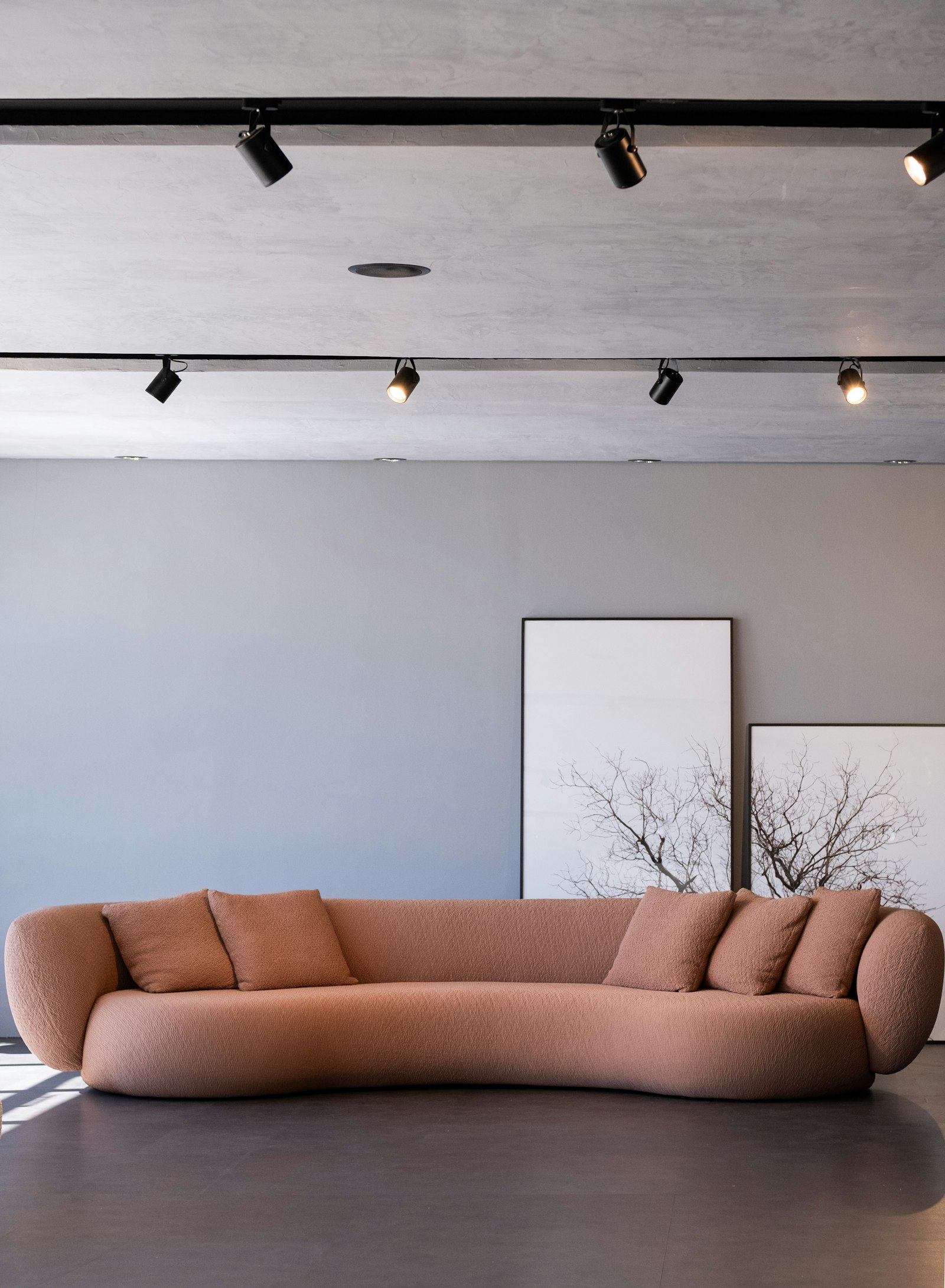
Many current designs go beyond the classic labels: low horizontal volumes, deep seats, plinth bases instead of legs, and curved or continuous forms. They are usually described by these features rather than a single style name. If a sofa sits low and deep, sit on it first; overall height can drop to 26 to 30 in, and very low seats are harder to rise from.
Sofa types by function and configuration
Sleeper sofa
How to recognize it: a sofa with a fold-out mattress inside, usually under the seat cushions. Best rooms: living rooms, studies and studios that double as guest rooms. Watch for: a full or queen sleeper typically extends to about 85 to 95 in from the back of the sofa when open, so plan space for that; the mechanism can make the seat feel firmer. The Riva hides a queen sleeper inside a regular sofa silhouette.
Sectional
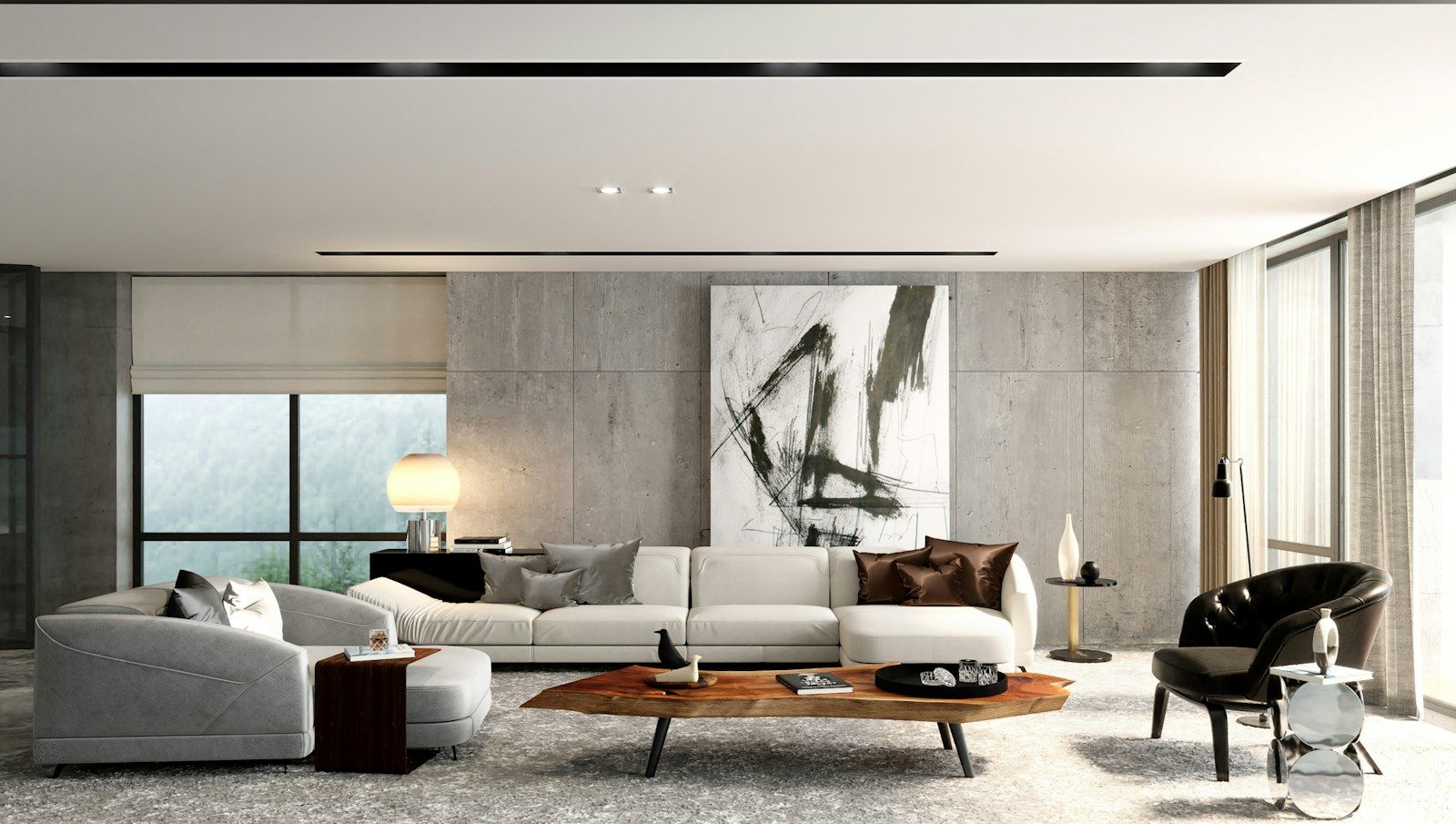
How to recognize it: two or more pieces joined into an L, U or curved shape. Best rooms: family rooms and larger or open-plan spaces. Watch for: a fixed footprint and orientation; measure both walls and check which side the return goes on. See our sectional sofa guide and sofa vs sectional.
Chaise sofa
How to recognize it: a sofa with one seat extended forward into a chaise, typically 60 to 70 in deep at that end. Best rooms: living rooms where one person likes to stretch out but a full sectional is too much. Watch for: the chaise side is fixed on most models, so decide left or right before ordering. The Cortile is a family chaise sectional with washable covers.
Modular sofa
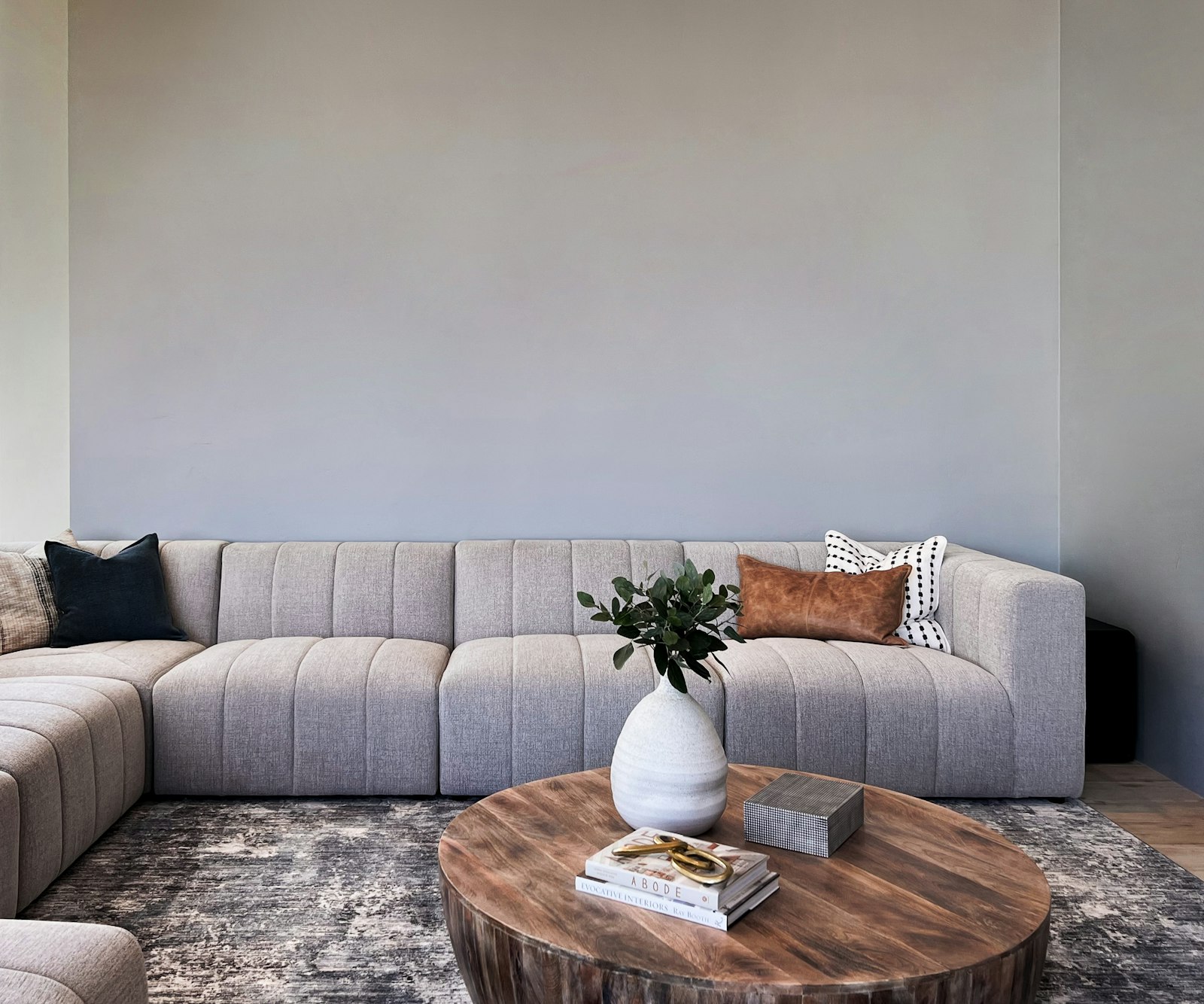
How to recognize it: independent units such as armless seats, corners, chaises and ottomans that connect and can be rearranged. Best rooms: renters, growing households, awkward rooms and anyone who moves often. Watch for: check how the pieces lock together, since unconnected units can drift apart. Separate pieces are usually far easier to carry through tight doorways and up stairs.
Reclining sofa
How to recognize it: one or more seats that recline, manually or with a motor, often with a footrest that rises. Best rooms: media rooms and family rooms. Watch for: wall clearance behind the sofa (unless it is a wall-hugger design), access to power outlets for power models, and a heavier, bulkier frame. The Marea is modular with power recline of seat, back and footrest. Our power recliner guide goes further.
Settee and loveseat
How to recognize it: a two-seat sofa, typically 52 to 72 in (132 to 183 cm) wide; a settee is often more upright and formal. Best rooms: small living rooms, bedrooms, entryways, or paired with a full sofa. Watch for: many loveseats are too short for an adult to lie down on. See couch vs sofa for how settee and related terms are used.
Sofa styles at a glance
| Style | Arms | Back | Feel | Best for |
|---|---|---|---|---|
| Chesterfield | Rolled, same height as back | Tight, deep-buttoned | Firm, upright | Studies, statement pieces |
| Lawson | Lower than back, rolled or square | Loose cushions | Soft, relaxed | Family and living rooms |
| Camelback | Usually rolled | Tight, humped | Upright, formal | Formal and traditional rooms |
| English roll arm | Low, tightly rolled, set back | Tight | Medium, good for napping | Traditional living rooms, dens |
| Tuxedo | Straight, same height as back | Tight, often tufted | Upright, enclosed | Formal or glamorous rooms |
| Mid-century modern | Slim, square or sloped | Tight or lightly cushioned | Often firmer, upright | Apartments, modern interiors |
| Bridgewater | Low, rolled, set back | Loose cushions | Soft, casual | Cottage and casual rooms |
| Cabriole | Exposed wood, curved | Tight, curved, framed | Firm, shallow | Formal sitting rooms |
| Track-arm | Square, flat-topped | Loose or tight | Varies | Almost any room; saves width |
| Sleeper | Any | Any | Often firmer seat | Guest-room duty |
| Sectional | Any | Any | Varies | Large rooms, big households |
| Chaise sofa | Any | Any | Lounge-friendly | Stretching out in mid-size rooms |
| Modular | Optional arm units | Any | Varies | Renters, movers, awkward rooms |
| Reclining | Usually padded | Usually loose or padded | Very lounge-friendly | Media and family rooms |
| Settee or loveseat | Any | Any | Varies | Small rooms, pairing |
Choosing a style for your room
- Small rooms: choose slim track arms or mid-century proportions on raised legs. Visible floor beneath the sofa makes a room feel larger, and slim arms give more seat per inch. Avoid bulky rolled arms and skirts.
- Family rooms: loose-cushion styles like the Lawson are forgiving and easy to re-plump; removable or washable covers help. A chaise or sectional adds lounging space.
- Formal rooms: tight-back styles such as the Chesterfield, camelback and tuxedo hold their shape and look tidy without constant fluffing.
- Nappers: look for low arms (around 22 to 24 in from the floor), a seat depth of 24 in or more, and an overall length that fits your height.
- Frequent movers: modular systems and sofas with removable legs are far easier to get through doors and up stairs.
Style is only half the decision; size and seat depth decide comfort. Our guide to choosing a sofa walks through the full process, and Create your sofa lets you configure size and modules. Browse all sofas and sectionals.
Questions people ask
What are the most common types of sofas?
The most common styles are track-arm, Lawson, English roll arm, Chesterfield, mid-century modern and tuxedo. By function, the most common types are standard three-seat sofas, loveseats, sleeper sofas, chaise sofas, sectionals, modular sofas and reclining sofas. Track-arm is the default contemporary shape.
What is the difference between a Chesterfield and a Lawson sofa?
A Chesterfield has deep button tufting and rolled arms at the same height as a tight back, giving a firm, formal sit. A Lawson has loose back cushions and arms lower than the back, giving a softer, more relaxed sit. The Lawson is generally the more casual, everyday style.
What is a tuxedo sofa?
A tuxedo sofa has straight arms at the same height as the back, forming one continuous outline, often with tufting and crisp edges. It suits formal, glamorous and contemporary rooms. The high arms make it look compact but feel more enclosed and less suited to lying down.
What sofa style is best for a small living room?
Track-arm and mid-century modern sofas usually work best in small rooms. Slim arms maximize seat width for the overall length, and raised legs let you see the floor underneath, which makes the room feel bigger. Avoid wide rolled arms, skirts and very deep seats in tight spaces.
What is the most comfortable type of sofa?
Comfort depends on your body and habits more than style. Loose-cushion styles like the Lawson, deep-seated sofas, chaise sofas and recliners tend to suit lounging; tight-back styles like the Chesterfield and tuxedo suit upright sitting. Check seat depth, seat height and cushion construction, and sit on it first.
What is the difference between a modular sofa and a sectional?
A sectional is a sofa made of joined pieces in a set L, U or curved shape. A modular sofa is built from independent units that can be rearranged, added to or split into separate seats. All modular sofas can form sectionals, but not every sectional can be reconfigured.
Pieces that fit this advice

Still deciding?
Bring your floor plan. A Blankspace designer will help you measure, choose coverings and compose the room, in the Bay Area or by video.
Keep reading
- Buying guide How to choose a sofa: frame, springs, cushions and fit To choose a sofa, start with size: measure the room and every doorway on the delivery route. Then check the construction: a kiln-dried hardwood or… Read the guide
- Terminology Couch vs sofa: is there a difference? Today there is no meaningful difference: couch and sofa describe the same piece of furniture, and the choice is mostly regional and personal… Read the guide
- Buying Sofa vs sectional: which should you get? Choose a sectional if your room is roughly 12 × 12 ft or larger, you regularly seat four or more, and the sofa will anchor a corner or define an… Read the guide
- Sectionals Sectional sofa guide: types, configurations and sizing The main types of sectional sofa are L-shaped (corner), chaise, U-shaped, bumper, curved and modular. Left-arm facing (LAF) and right-arm facing… Read the guide