Living room
How to choose a sofa color: neutrals, statement shades and what actually works


The short answer
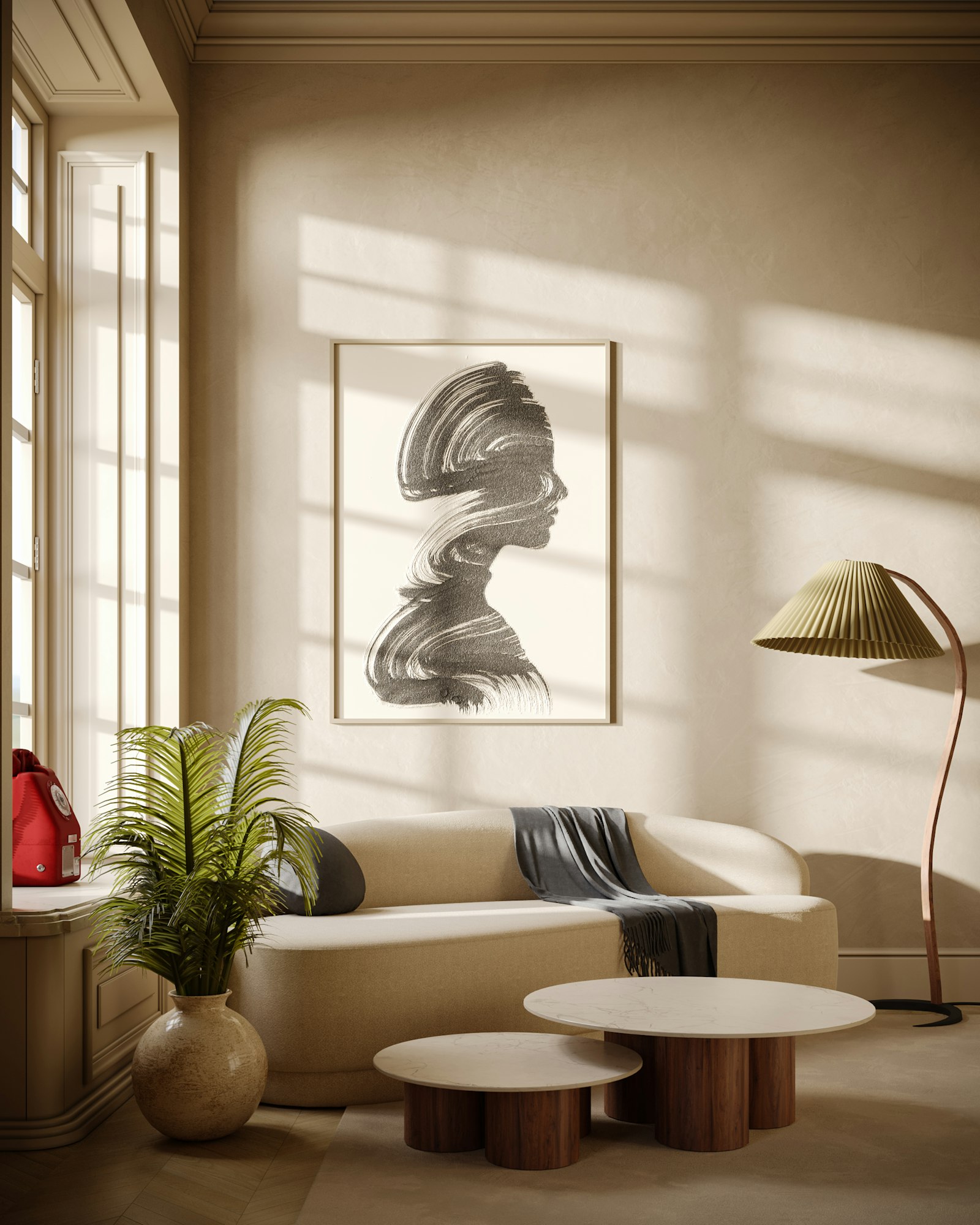
Choose a sofa color by starting with what stays put: your floor, walls and the light the room gets. Pick a neutral if you change decor often or want the sofa to recede; pick a statement color if you want it to anchor the room. Match undertones to the space, favor mid-tones if you have kids or pets, and judge swatches in daylight and evening light.
Remember
- Start from the fixed elements: floor, walls, window light and large pieces you are keeping.
- Match undertones: warm neutrals with warm woods, cool grays with cool light and white walls.
- Mid-tones hide everyday dirt best; very light shows stains and very dark shows lint and pet hair.
- North-facing rooms read cooler, south-facing rooms warmer; test swatches in the room at different times.
- A bold sofa can be the room's artwork if the rest of the palette gives it space.
Contents
Neutral or statement: decide the sofa's job
A sofa is usually the largest block of color in a living room, so before choosing a shade, decide what role it plays. There are two honest answers.
A neutral sofa is a backdrop. Oatmeal, warm gray, taupe, stone, charcoal and camel let the rug, art, pillows and walls carry the color. You can change the room's mood with a new rug or a set of pillows and keep the sofa for years. Neutrals also suit people who are unsure, rooms that open onto other spaces, and homes you may sell or rent out.
A statement sofa is the focal point. Deep green, ink blue, rust, mustard or lemon yellow turn the sofa into the thing you notice first. In a room with simple walls and floors, a strong color can do what a large painting does: give the space a center of gravity. Blankspace's own design language leans this way, toward bold, saturated color in the spirit of Matisse cutouts, because a confident sofa can be the room's artwork rather than a plain support for it.
The middle path is a muted color: sage, dusty blue, terracotta, olive. These behave almost like neutrals with other furnishings but give the room more personality than beige. If you are torn, this is often the most livable choice.
One practical test: picture the sofa with no pillows or throws. If you would still want to look at it, the color is right.
Undertones: why some neutrals clash
Two beige sofas can look completely different in the same room because of undertone, the subtle color under the main color. Most neutrals lean warm (yellow, red, pink) or cool (blue, green, violet).
- Warm undertones: cream, oatmeal, camel, warm gray (greige), terracotta. They pair naturally with honey and orange-toned woods such as oak and cherry, brass, and warm white walls.
- Cool undertones: pure white, blue-gray, slate, charcoal with a blue cast. They suit crisp white walls, black metal, gray or white-washed floors, and cooler light.
The quickest way to see undertone is to hold a swatch next to a sheet of plain white printer paper and next to your floor or wall. A gray that looked neutral on screen may suddenly read purple or green. Clashing undertones, such as a pinkish beige sofa against a yellowish beige wall, are a common reason a room feels slightly off even when everything is technically neutral.
You do not need everything to match. Mixing warm and cool works when it looks deliberate, such as a cool blue sofa on a warm oak floor. What jars is two near-identical colors with different undertones side by side.
Room light: north, south, east and west
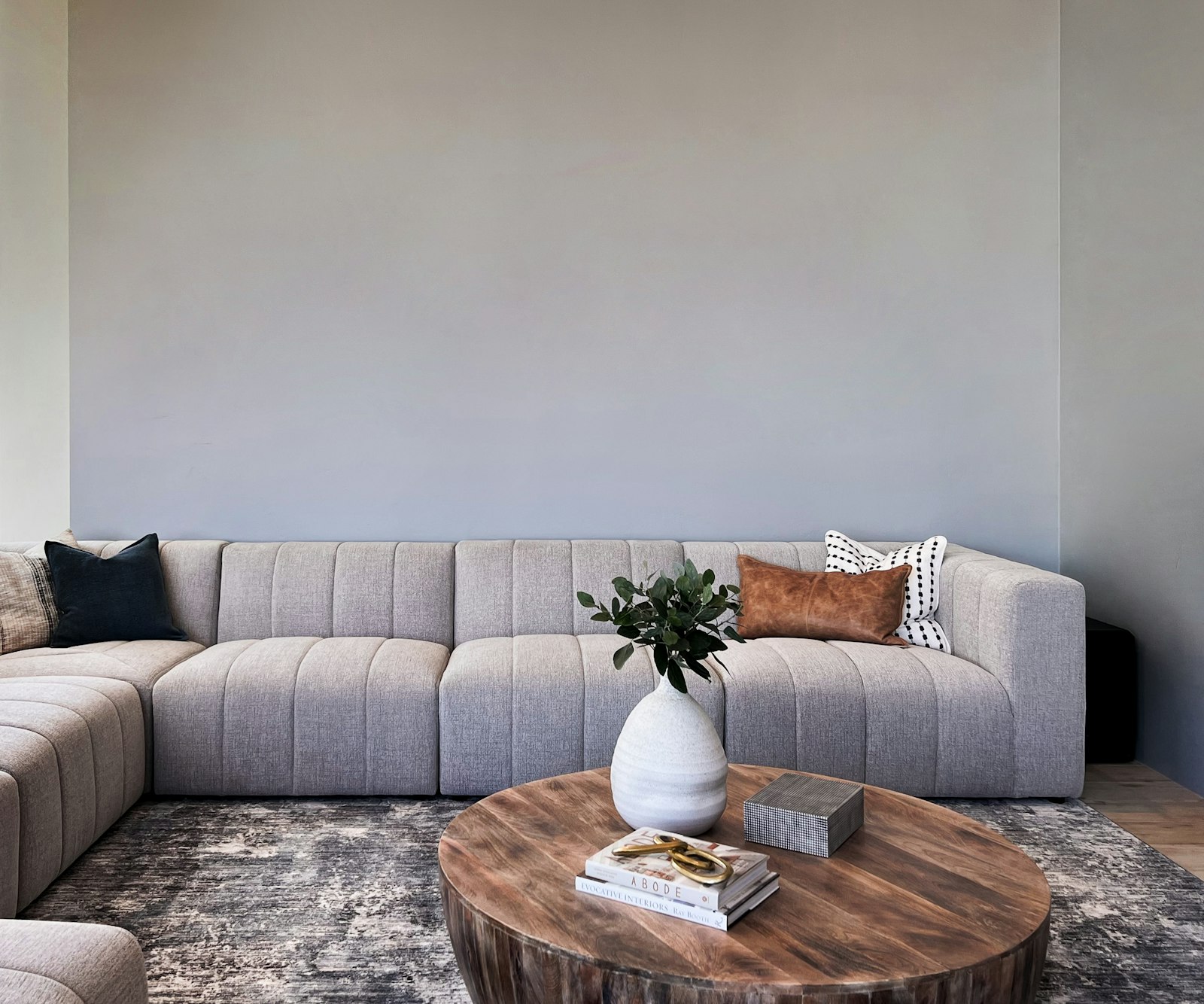
Light changes color more than most people expect. A swatch that looks perfect in a showroom can look flat at home. Window direction is the biggest factor; the notes below apply in the Northern Hemisphere and reverse south of the equator.
| Room faces | Light quality | Colors that tend to work | Watch out for |
|---|---|---|---|
| North | Cool, even, indirect; can feel gray | Warm neutrals, ochre, rust, warm greens, rich saturated colors | Cool grays and blues can look cold or drab |
| South | Warm, bright for much of the day | Most colors, including cool blues, greens and grays | Strong sun fades fabric; very warm colors can feel hot |
| East | Warm in the morning, cooler later | Balanced mid-tones that work both ways | Check swatches in the afternoon and evening |
| West | Cool in the morning, warm and golden late | Cooler or balanced colors, which the evening light warms | Already warm colors can turn orange at sunset |
Artificial light matters too, especially if you mostly use the room in the evening. Warm white bulbs push colors toward yellow; cooler bulbs push them toward blue. Dark sofas in dim rooms can read as a void, so give a deep color some light, such as a floor lamp beside it.
Remember sun exposure as well as hue: saturated colors and natural fibers in direct sun can fade over time. If the sofa sits in a bright south- or west-facing window, consider filtering the light or choosing a color where some fading would be less noticeable.
Floors, walls and rugs
Choose the sofa against what is hardest to change, in this order: floor, walls, then rug.
Floor
Aim for contrast so the sofa does not disappear. A light sofa on a pale oak floor can look washed out; a dark brown leather sofa on dark walnut can merge into it. On mid-tone wood, almost anything works. On a busy tile or patterned floor, a solid sofa usually looks calmer.
Walls
White and off-white walls give you the most freedom; they let a strong sofa color sing. Colored walls narrow the choice: either echo the wall in a deeper or lighter shade for a tonal look, or pick a complementary color for contrast (deep green with rose or terracotta, blue with rust or ochre). Avoid a sofa within a shade or two of the wall color unless you want it to blend in.
Rugs
The rug is the easiest bridge between sofa and floor. With a neutral sofa, a patterned or colored rug supplies the energy. With a statement sofa, a quieter rug with one thread of the sofa's color ties it in. A graphic rug such as the hand-tufted wool Cerchi Rug can carry a neutral room on its own. Size matters as much as color; see our rug size guide.
A simple rule for a balanced room: one dominant color (often walls), one secondary (often the sofa), and one accent used in small doses (pillows, art, a lamp).
Kids, pets and showing dirt
Color is as much a practical decision as an aesthetic one. Every color shows something.
- Very light colors (white, ivory, pale gray) show stains, body oils on arms and headrests, and dye transfer from new jeans. They are livable with washable covers or a strict no-food rule, less so with toddlers.
- Very dark colors (black, deep navy, charcoal) hide spills but show dust, lint, crumbs and light pet hair, and can show sun fading as a lighter patch.
- Mid-tones (stone, mushroom, mid-gray, olive, rust, denim blue) are generally the most forgiving: dark enough to hide light soiling, light enough not to show every crumb.
- Texture and pattern help. A tweed, heathered or flecked weave disguises far more than a flat solid of the same color. A subtle pattern hides more still.
- Match the pet. Choose a color close to your pet's coat so shed hair blends in: warm mid-tones for a golden retriever, darker shades for a black cat.
For family rooms, washable covers make even lighter colors realistic; the Cortile chaise sectional is designed with washable covers for exactly this reason. More on fabric choice in our pet-friendly sofa guide.
Fabric vs leather: how color behaves
The same color name looks different in different materials.
Fabric
Fabric offers the widest color range, from soft neutrals to vivid saturated shades. Texture changes how color reads: a nubby boucle or tweed looks lighter and softer than a flat weave of the same dye, because of the tiny shadows in the surface. Velvet shifts in shade depending on the direction of the pile and the angle of light, which gives deep colors real richness. Natural fibers such as linen and cotton take color beautifully but are typically more prone to fading in sun than many synthetics.
Leather
Leather colors tend to be more restrained, though strong colors exist. How the color ages depends on the finish. Protected (pigmented) leather holds its color evenly for years. Aniline and semi-aniline leathers develop a patina: they darken, soften and show marks where they are touched most, so a tan aniline sofa will look noticeably different, and to many eyes better, after a few years of use. Cognac, tan and chestnut leathers are popular partly because they age so gracefully. Our guides to types of leather and leather vs fabric go deeper.
Sofa color families compared
| Color family | Pros | Cons | Works well with |
|---|---|---|---|
| White and ivory | Bright, airy, makes small rooms feel larger | Shows stains and dye transfer; high maintenance | Washable covers, adult-only rooms, warm woods |
| Beige, oatmeal, greige | Flexible, timeless, easy to restyle | Can look flat; undertone clashes are common | Textured fabrics, colorful rugs and art |
| Gray (light to charcoal) | Versatile, modern, hides wear in mid-tones | Can feel cold in north light; overused | White walls, black metal, cool or balanced light |
| Brown, tan, cognac | Warm, classic; ages well in leather | Can feel heavy on dark floors | Leather, wood-rich rooms, greens and blues |
| Blue (navy to denim) | Rich but calm; navy acts as a dark neutral | Navy shows lint and pale pet hair | Rust, ochre, white walls, brass |
| Green (sage to deep green) | Natural, restful; deep green is dramatic | Bright greens can be hard to pair | Wood, terracotta, pink, plants |
| Yellow, mustard, ochre | Joyful, warms north-facing rooms | Bright yellows dominate; sun may fade them | Gray, navy, white, black accents |
| Red, rust, terracotta | Warm, energetic, hides some stains | Strong reds can overwhelm a small room | Blues, greens, cream, natural textures |
| Black | Graphic, sophisticated | Shows dust and lint; heavy in small rooms | Light floors and walls, strong art |
How to test colors before you commit
- Get physical swatches. Screens are unreliable for color. Ask for the largest swatch available.
- Test in the room where the sofa will go, laid flat on the floor or a chair where the sofa will sit, not held up to the window.
- Look at it in daylight and in the evening under your actual lamps. Check morning and afternoon for east- and west-facing rooms.
- Live with it for several days. Your first reaction is not always your lasting one.
- Compare against your floor, wall and rug at the same time, and against white paper to read undertone.
- Remember scale. A small swatch of a bold color looks tamer than a whole sofa will; a swatch of a pale neutral looks brighter than it will in shadow.
If you are buying made to order, you choose the covering and color for your exact room rather than taking what is in stock; our custom sofa guide explains how, and the interior design service can help you pull a palette together. For neutral linen-look texture, the Riva is a natural starting point.
Questions people ask
What is the most practical sofa color?
Mid-tones are usually the most practical: stone, mushroom, mid-gray, olive, rust or denim blue. They hide light soiling better than pale colors and show less lint and pet hair than very dark ones. A textured or heathered weave in a mid-tone is more forgiving still.
Should my sofa be lighter or darker than my walls?
Either works, but there should be contrast so the sofa does not disappear. A darker sofa against light walls is the most common and easiest choice. A lighter sofa against dark walls can look striking. Avoid a sofa within a shade or two of the wall color unless you want a tonal, blended look.
Is a gray sofa still a good choice?
Gray remains versatile and works with most decor, especially white walls and cooler light. Its weakness is that cool grays can look cold or drab in north-facing rooms. Warm grays and greige are easier to live with in most homes, and pillows and rugs can add warmth.
What color sofa goes with everything?
No color truly goes with everything, but warm neutrals such as oatmeal, greige and stone come closest. Navy and charcoal also work as dark neutrals. Choose the undertone that matches your floor and wall, and add color through rugs, pillows and art.
What color sofa is best for dog owners?
Pick a color close to your dog's coat so shed hair blends in, ideally in a textured or tightly woven fabric that resists snags. Mid-tones generally hide dirt and paw marks better than white or black. Washable covers help whatever color you choose.
Is a bold colored sofa a good idea?
It can be, if you love the color and let it lead. Keep walls and floor relatively calm, repeat the color once or twice in small accents, and choose a durable fabric. A bold sofa can act like a large artwork; the risk is only that it is harder to change than a rug.
Pieces that fit this advice

Still deciding?
Bring your floor plan. A Blankspace designer will help you measure, choose coverings and compose the room, in the Bay Area or by video.
Keep reading
- Buying guide How to choose a sofa: frame, springs, cushions and fit To choose a sofa, start with size: measure the room and every doorway on the delivery route. Then check the construction: a kiln-dried hardwood or… Read the guide
- Materials Leather vs fabric sofa: which is better for you? Leather is usually the better choice if you want easy wipe-clean care, resistance to pet hair and dust, and a sofa that ages with character. Fabric… Read the guide
- Fabric Best upholstery fabric for a sofa: types, rub counts and cleaning codes For most homes, the best sofa fabric is a tightly woven performance fabric or a synthetic blend such as polyester or microfiber: durable… Read the guide
- Sizing Rug size guide: what size rug for your living room, bedroom and dining room Most living rooms need an 8x10 or 9x12 rug. Choose a size large enough that at least the front legs of the sofa and chairs rest on it, and leave a… Read the guide