Living room
How to choose an accent chair: types of armchairs and how to pair them


The short answer
Choose an accent chair by job first, then size. For lounging, pick a deep club or lounge chair; for upright conversation or reading, a wingback or slipper chair; for open-plan rooms, a swivel. Seat height is typically 16 to 19 in and depth 20 to 24 in. Match the sofa's seat height within an inch or two, and contrast its shape or material.
Remember
- Standard armchair seat height is typically 16 to 19 in; seat depth 20 to 24 in.
- Keep the chair's seat height within about 1 to 2 in of the sofa's for a level conversation group.
- Contrast at least one of shape, material or color with the sofa; matching all three rarely works.
- Allow roughly 30 in of clear floor around a swivel chair's arc and walking path.
- Every chair needs a surface within arm's reach, typically a side table at arm height.
Contents
Start with what the chair is for
"Accent chair" covers everything from a deep lounger to a small armless seat in a hallway. Before looking at styles, decide what the chair needs to do:
- Lounging and TV: deep seat, reclined back, padded arms. Think club chair, lounge chair or recliner.
- Reading: upright to slightly reclined back, head support, a lamp nearby. Wingbacks excel here.
- Conversation and extra seating: moderate depth, easy to get in and out of, light enough to move. Slipper chairs and compact armchairs.
- Linking zones in open-plan rooms: a swivel chair turns between the TV, the fireplace and the kitchen.
- Bedroom or hallway corner: small footprint, often armless.
The job sets the dimensions; style comes second.
Types of armchairs
| Type | What defines it | Best for | Watch out for |
|---|---|---|---|
| Club chair | Low, deep, fully upholstered, with thick arms; traditionally leather | Lounging, dens, pairing with a sofa | Bulky footprint, often 30 to 36 in wide |
| Wingback | Tall back with side "wings" at head height | Reading, beside a fireplace, upright comfort | Visually tall; can block sightlines mid-room |
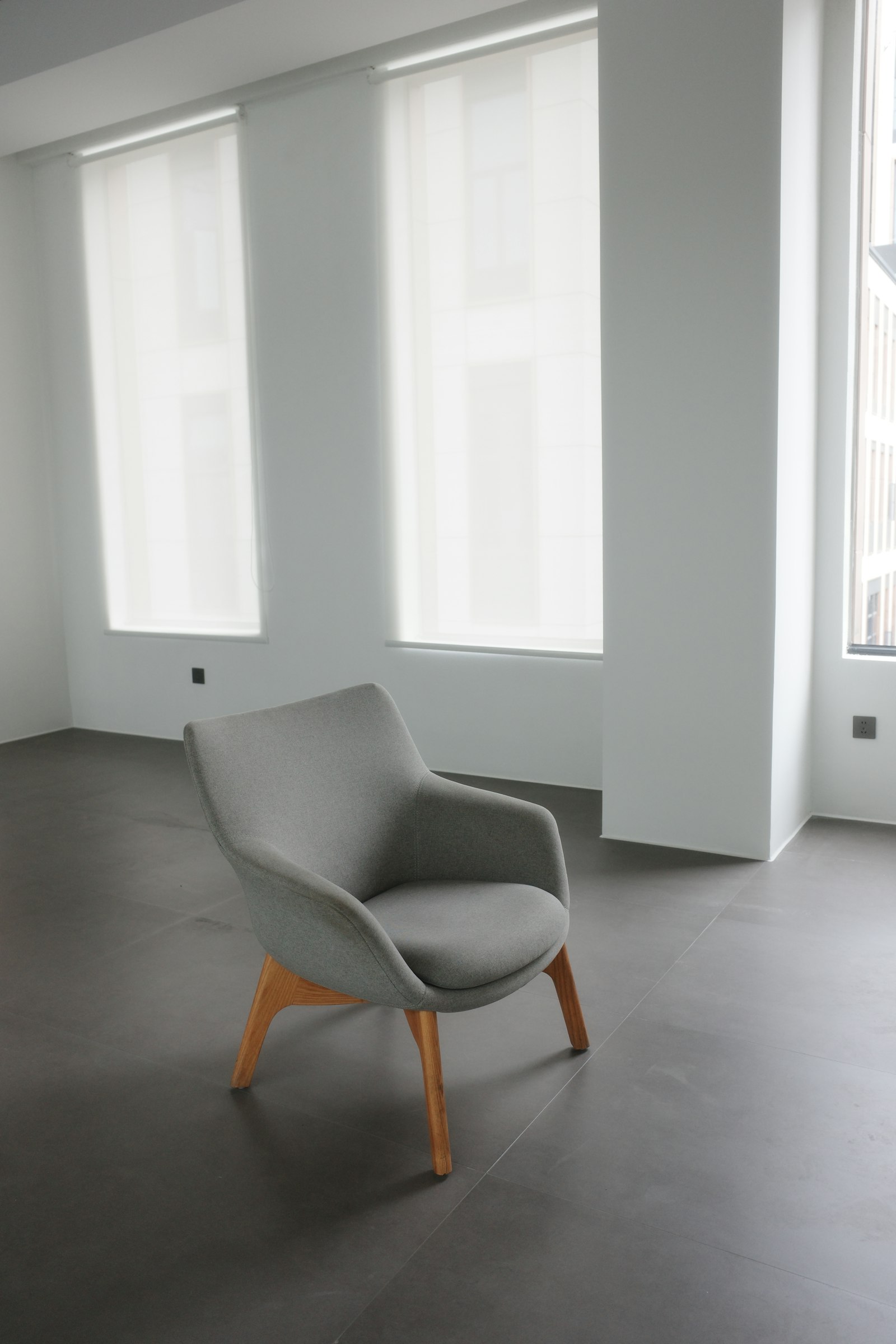
| Lounge chair | Low, reclined seat and back; often a sculptural shell | Relaxing, statement piece | Low seats are harder to stand up from |
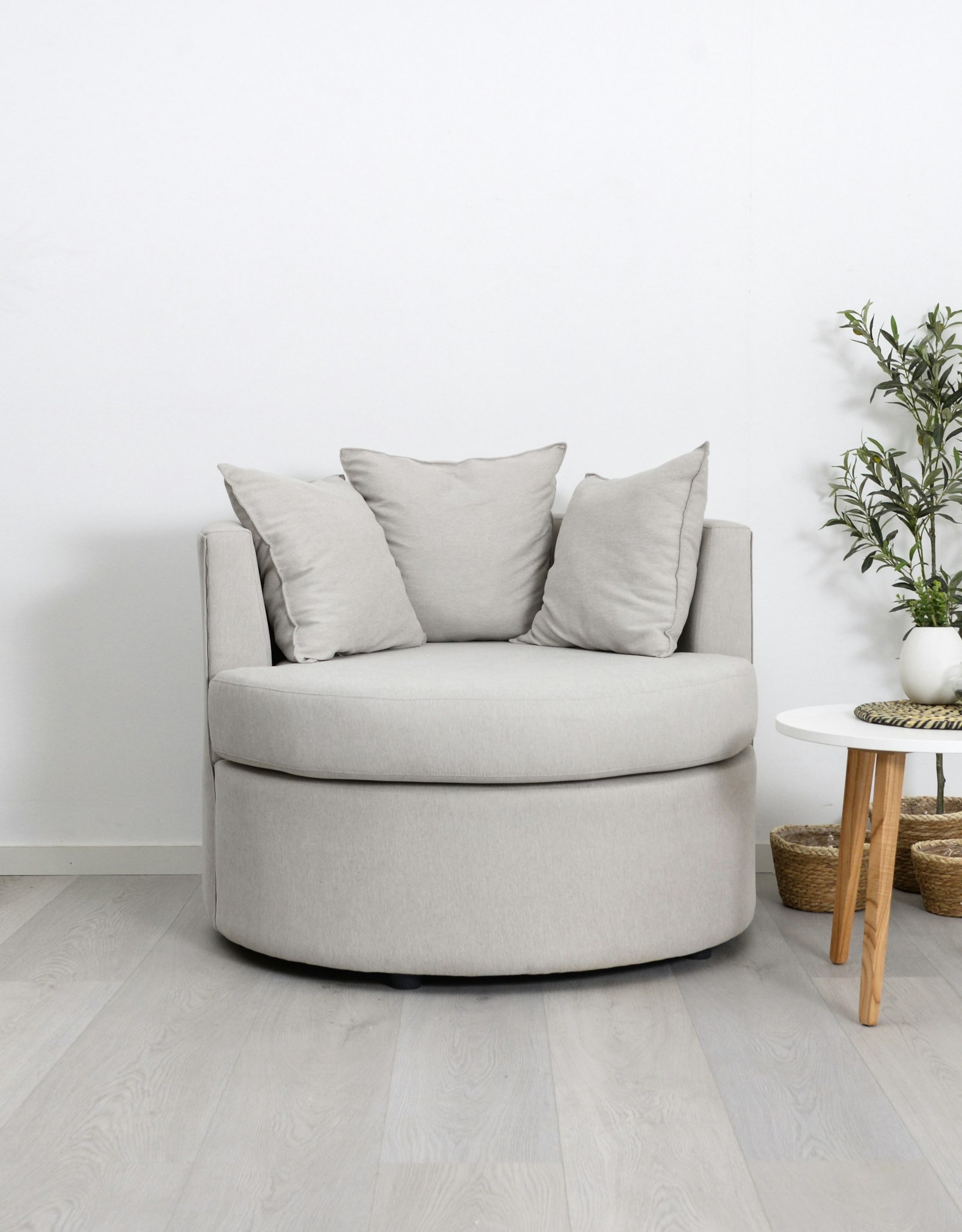
| Swivel chair | Rotating base, sometimes with rocking or glide | Open-plan rooms, nurseries, conversation | Needs clearance for its arc |
| Slipper chair | Armless, low seat, upright back | Small spaces, bedrooms, extra seating | No arms to push up from or rest on |
| Recliner | Back tilts and footrest extends, manual or power | TV, rest, mobility support | Clearance behind and in front |
Club chairs
The club chair takes its name from gentlemen's clubs, where deep leather armchairs were standard. Today it means a low, enveloping chair with a deep seat and substantial arms, in leather or fabric. It pairs naturally with a sofa because it shares the same relaxed posture. Our Dondolo is a club chair available with a rocking-swivel option, which makes it work in open rooms too.
Wingbacks
Wings originally shielded sitters from drafts by the fire. They also give your head somewhere to rest and create a sense of enclosure that suits reading. Modern wingbacks range from traditional to pared-back; the Ventaglio wing chair is a contemporary take. Place wingbacks where their height won't block views, typically against a wall, in a corner or flanking a fireplace. If you want head-height support without wings, a tall pleated back like the Sartoria armchair's gives a softer, tailored alternative.
Lounge chairs
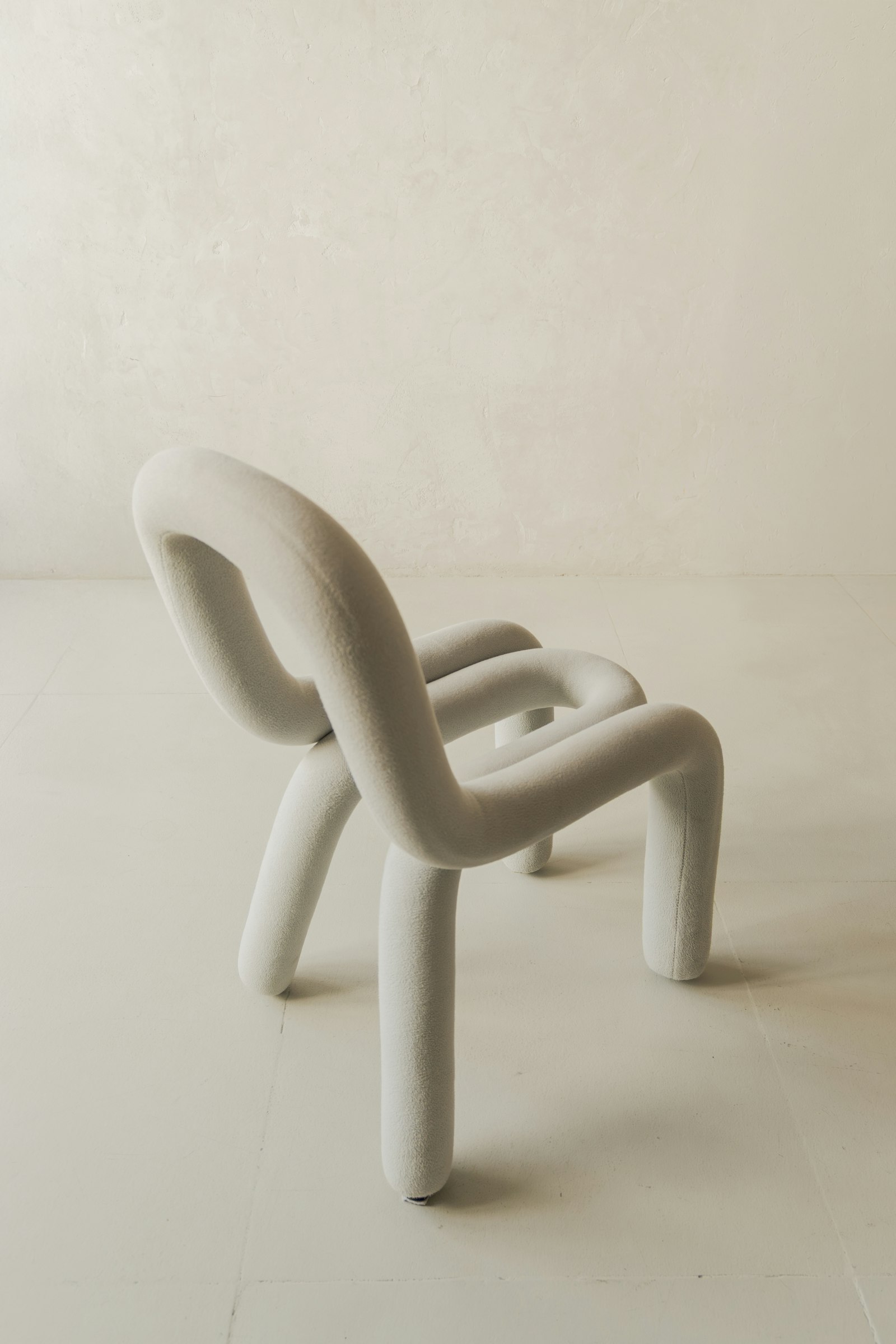
Lounge chairs prioritize reclined comfort and often form. Seat heights can drop to 14 to 16 in. They're excellent for unwinding and work as the sculptural piece in a room. The Petalo chair's petal-shaped shell is an example of a lounge chair designed to be looked at from every side.
Swivel chairs
A swivel lets one chair face several directions, which makes it useful where a room serves several activities. Check whether it returns to a set position (a "memory return" swivel) and whether it also rocks or glides. Allow clearance around it, typically around 30 in for the arc and walkway.
Slipper chairs
Originally designed for dressing in bedrooms, slipper chairs are armless with a low seat. Their narrow profile, often under 28 in wide, makes them ideal in pairs where a pair of armchairs would crowd the room.
Recliners
A recliner chair gives you a footrest without an ottoman. If you're considering one, our recliner guide compares power and manual mechanisms and clearances.
Seat height, depth and other dimensions
Comfort comes from fit. These are typical ranges for armchairs; individual designs vary.
| Dimension | Typical range | Notes |
|---|---|---|
| Seat height | 16 to 19 in (41 to 48 cm) | Lounge chairs can sit lower; higher seats are easier to stand from |
| Seat depth | 20 to 24 in (51 to 61 cm) | Deeper suits tall people and lounging; shallower suits upright sitting |
| Overall width | About 26 to 36 in (66 to 91 cm) | Slipper chairs at the narrow end; club chairs at the wide end |
| Arm height | About 22 to 26 in (56 to 66 cm) | Should let your shoulders relax with forearms resting |
| Back height | About 28 to 34 in for standard backs; 40 in or more for wingbacks | High backs give head support |
How to check fit: sit all the way back. Your feet should rest flat with knees roughly level with or slightly below your hips, and there should be a few inches between the seat edge and the back of your knees. If your legs dangle or the edge presses behind your knees, the seat is too high or too deep. Shorter people can tuck a lumbar cushion behind them to reduce effective depth; tall people should look for at least 22 in of depth.
If the chair is for an older family member or anyone with limited mobility, favor a higher seat (around 18 to 19 in), firm cushioning, and solid arms to push up from.
Pairing an accent chair with your sofa
The chair should look like it belongs to the same room without looking like it came in the same box. A reliable approach:
- Match the seat height. Keep it within about 1 to 2 in of the sofa's so everyone sits at a similar eye level. A chair much lower than the sofa leaves its occupant looking up.
- Balance the scale. A heavy, low sofa suits a substantial chair; a leggy, slim sofa suits a lighter, open chair. Overall back heights don't need to match, but a big difference should be intentional, such as a high-back wing chair beside a low sofa.
- Contrast one thing. Change shape, material or color, or two of the three. A curved chair beside a boxy sofa, or a fabric chair beside a leather sofa, adds depth. Matching all three tends to look flat.
- Repeat a detail. Tie the pieces together through one shared element: leg finish, a color pulled from a cushion or the rug, or a similar arm profile.
For placement, chairs typically sit at an angle facing the sofa across the coffee table, or as a pair directly opposite it. Keep facing seats within roughly 4 to 10 ft so conversation stays easy; our living room layout guide covers distances and walkways.
On fabric versus leather: a fabric chair can bring texture to a leather sofa, and vice versa. If the chair will take daily use, choose a durable upholstery; our upholstery fabric guide explains double rubs and weaves.
Pairs, singles and the number of chairs
A pair of matching chairs creates symmetry and works well facing a sofa or flanking a fireplace. A single chair suits asymmetric layouts, a reading corner, or a room where space is tight. Two different chairs can work if they share a scale and seat height.
A common rule of thumb for a main seating group: one sofa plus one or two chairs for everyday use. Add a slipper chair or ottoman for guests rather than permanently crowding the room.
Where the side table goes
Every chair needs a surface for a drink, a book or a phone. The side table should:
- Sit within easy reach, typically on the side of your dominant hand, close enough to reach without leaning.
- Be roughly at arm height, typically within about 2 in of the chair's arm. For armless chairs, aim near seat height plus about 6 to 8 in.
- Be small enough not to block the walkway; 15 to 24 in across is common.
Where a chair is near the sofa, one table can serve both. In a reading corner, pair the table with a floor lamp positioned slightly behind the chair so light falls on the page without glare. The Coppia nesting tables split into two surfaces when you need more than one.
Quick buying checklist
- Decide the job: lounging, reading, conversation, or flexible.
- Measure the space, including clear walkways of about 30 in and swivel or recline clearance.
- Check seat height against your sofa, and depth against your body.
- Sit in it for several minutes; get in and out a few times.
- Choose upholstery for how the chair will be used, and check its cleaning code.
- Plan the side table and light before delivery day.
Browse our armchairs, or ask our interior design service to help pair one with your sofa.
Questions people ask
What is the difference between an armchair and an accent chair?
An armchair is any chair with arms. Accent chair describes a role rather than a form: a chair chosen to complement the sofa, often with a contrasting shape, color or fabric. Many accent chairs are armchairs, but slipper chairs and other armless designs count too.
Should an accent chair match the sofa?
It usually looks best when it coordinates rather than matches. Keep the seat height similar and the scale balanced, then contrast at least one of shape, material or color. Repeat one detail, such as leg finish or a color from the rug, to tie them together.
What is the most comfortable type of armchair?
It depends on how you sit. For lounging, deep club chairs and lounge chairs are typically the most comfortable; for reading with head support, wingbacks; for adjustable rest, recliners. Fit matters more than type, so check that your feet rest flat and the seat edge doesn't press behind your knees.
How much space do you need for an accent chair?
Plan for the chair's footprint, often 26 to 36 in wide and about as deep, plus about 30 in of clear walkway around it. Swivel chairs need room for their arc, and recliners need extra space in front for the footrest and, for some models, behind the back.
What is a good seat height for an armchair?
Typically 16 to 19 in from the floor to the top of the seat cushion. Aim for a height within an inch or two of your sofa's seat. Older people and anyone with limited mobility often find seats around 18 to 19 in easier to stand up from.
Where should accent chairs be placed in a living room?
Typically angled toward the sofa across the coffee table, or as a pair facing the sofa, within roughly 4 to 10 ft for comfortable conversation. Single chairs also work in reading corners, beside a fireplace, or by a window, each with a side table and lamp.
Pieces that fit this advice

Still deciding?
Bring your floor plan. A Blankspace designer will help you measure, choose coverings and compose the room, in the Bay Area or by video.
Keep reading
- Layout How to arrange living room furniture: layouts, distances and rules of thumb Start with a focal point (a fireplace, window or TV) and face the main sofa toward it. Group seating so people sit roughly 4 to 10 ft apart, keep… Read the guide
- Recliners Power recliner vs manual recliner: how to choose a recliner sofa A manual recliner uses a lever, pull tab or body pressure to recline; it is simpler, needs no outlet and usually costs less. A power recliner uses a… Read the guide
- Fabric Best upholstery fabric for a sofa: types, rub counts and cleaning codes For most homes, the best sofa fabric is a tightly woven performance fabric or a synthetic blend such as polyester or microfiber: durable… Read the guide
- Buying guide How to choose a sofa: frame, springs, cushions and fit To choose a sofa, start with size: measure the room and every doorway on the delivery route. Then check the construction: a kiln-dried hardwood or… Read the guide