Bay Area
Buying furniture in the San Francisco Bay Area: delivery, stairs, small rooms and earthquakes


The short answer
When buying furniture in the San Francisco Bay Area, measure the whole delivery route first (narrow Victorian and Edwardian stairwells, tight turns and small elevators are common), check your building's move-in rules and elevator booking, size pieces for smaller rooms with slim arms and modular designs, and anchor tall furniture such as bookcases and dressers to wall studs for earthquake safety.
Remember
- Measure stairwells, turns and elevators, not just the room.
- Ask your building about elevator reservations, insurance certificates and move-in hours.
- Modular and slim-armed pieces suit Bay Area flats and older homes.
- Anchor tall furniture to wall studs; the Bay Area is seismically active.
- Custom sizing helps in rooms with bay windows, radiators and unusual layouts.
Contents
Measure the route, not just the room
Many San Francisco and East Bay homes have narrow front stairs, tight landings and turns, and older apartment buildings often have small elevators. Measure every doorway's clear width, each stair turn, ceiling height on the stairs and the elevator's depth and diagonal, and compare them with the piece's height, depth and diagonal depth.
Building rules
- Reserve the elevator and loading area in advance.
- Ask whether the building requires a certificate of insurance from the delivery company.
- Check permitted move-in days and hours.
- Ask the delivery team to remove packaging if there is no space to store it.
Sizing for Bay Area rooms
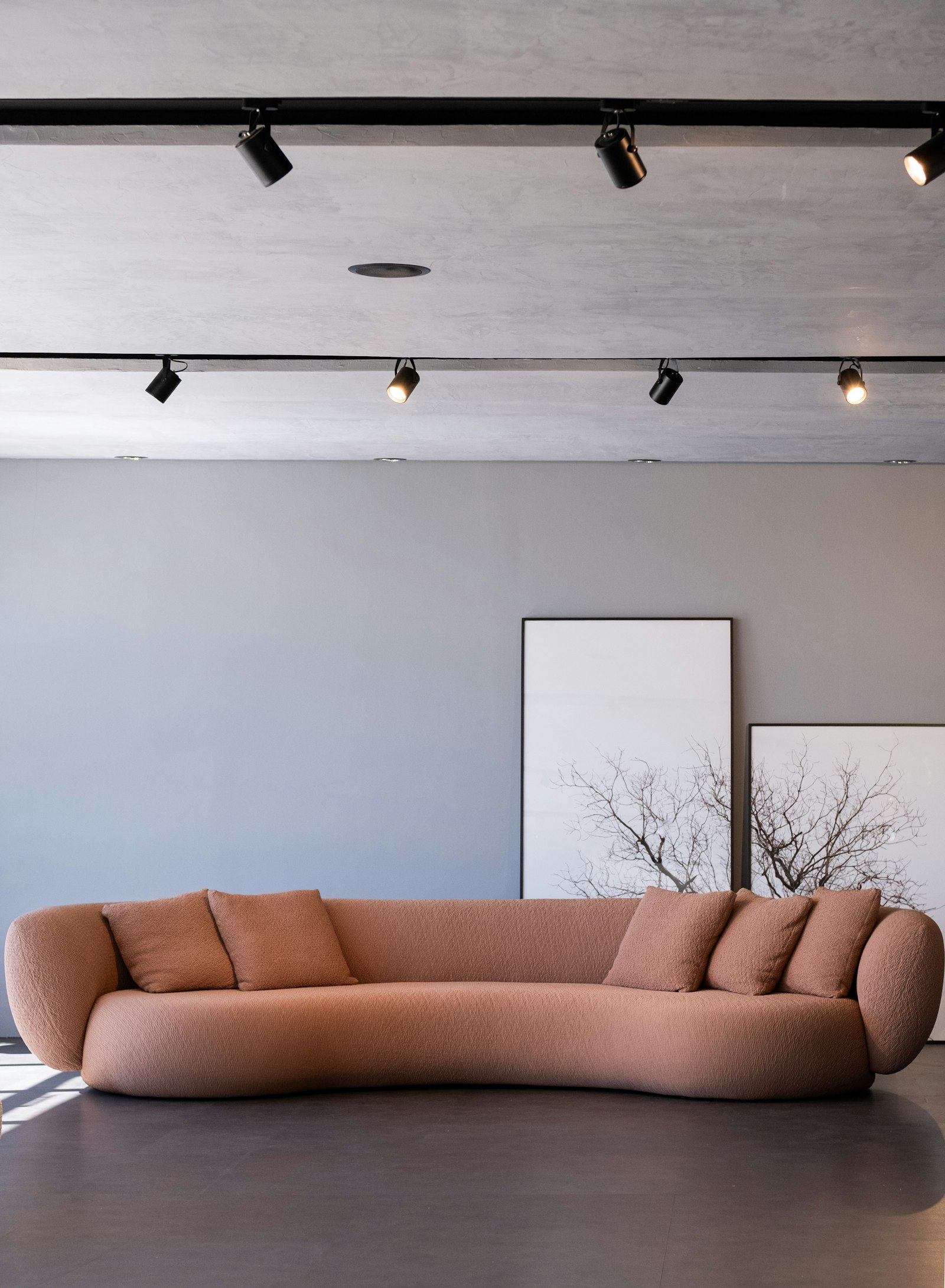
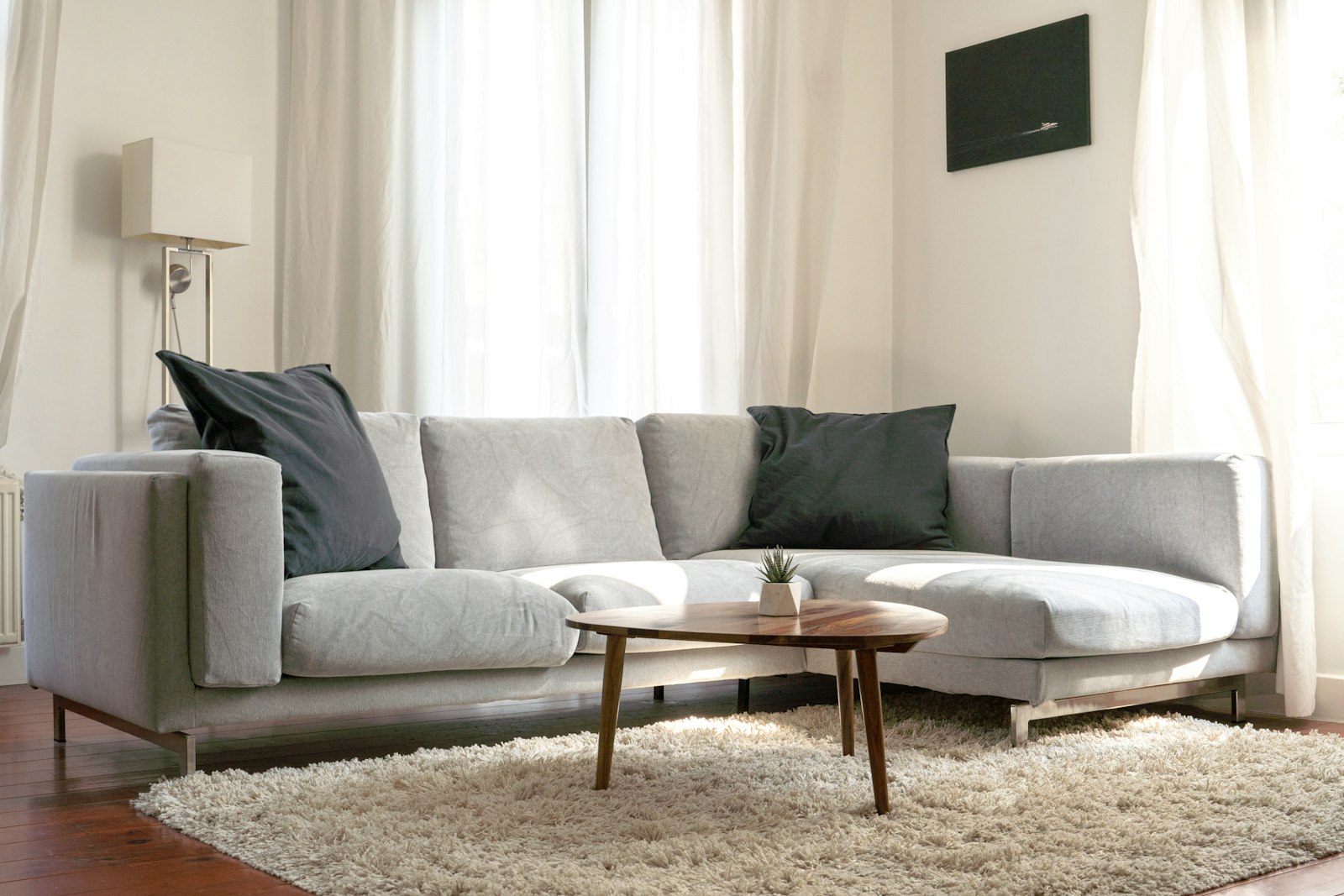
Smaller flats and older homes reward compact proportions: slim or track arms, raised legs that show more floor, apartment-size sofas around 68 to 80 in wide, and modular pieces that arrive in sections. Bay windows and radiators are where custom sizing pays off. See sofa dimensions and living room layout.
Earthquake safety
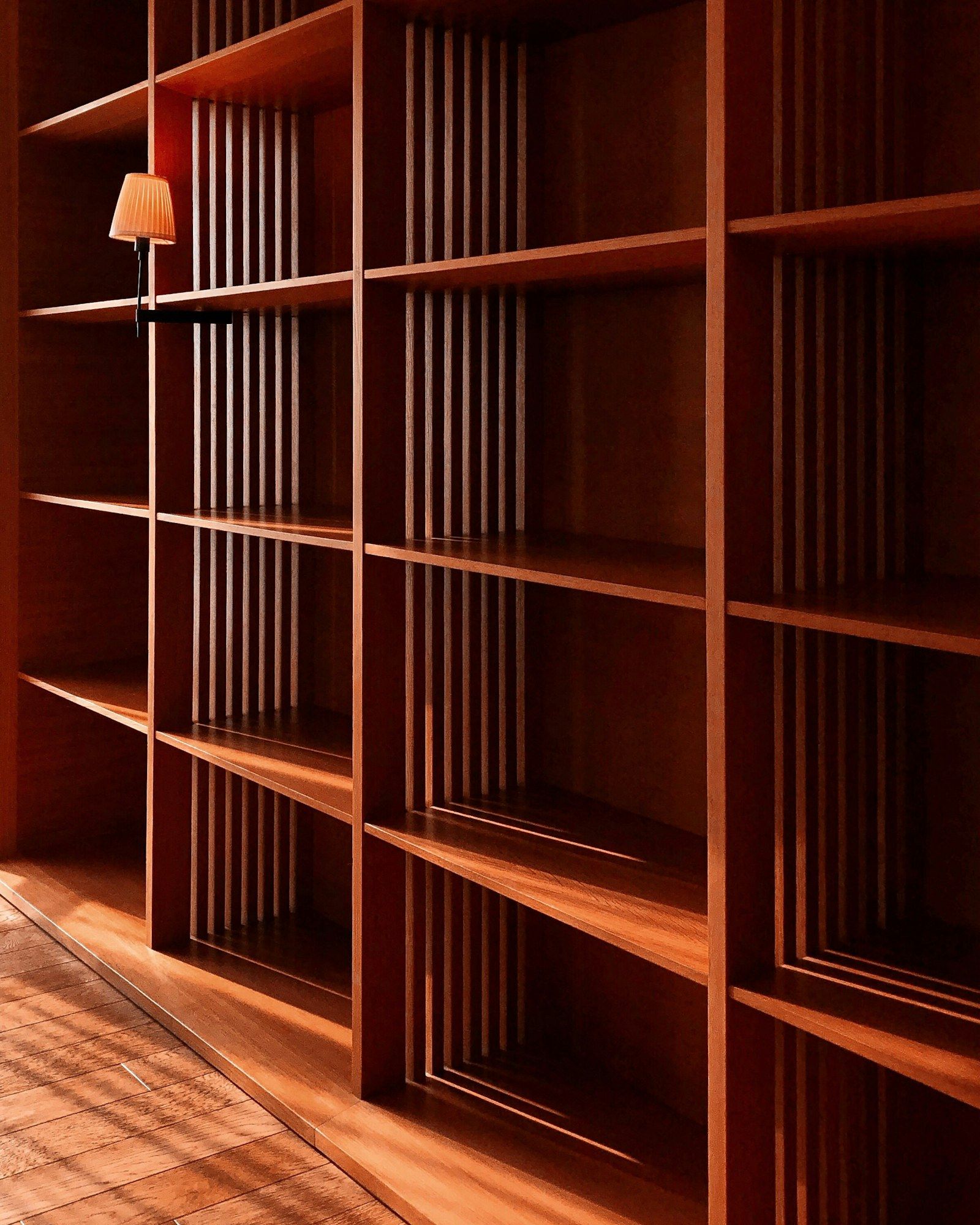
The Bay Area sits on active faults, so secure tall and heavy furniture. Anchor bookcases, dressers and cabinets to wall studs with furniture straps or brackets, put heavy items on low shelves, keep tall pieces away from beds and sofas, and use museum putty for objects on shelves. Earthquake-safety guidance from public agencies such as Ready.gov and the California Earthquake Authority covers the details.
Custom furniture in the Bay Area
Blankspace has a strong presence across the San Francisco Bay Area and delivers worldwide. Design a piece to your room in the configurator, or book the interior design service to have an advisor check the measurements with you.
Questions people ask
How do I get a sofa up narrow stairs?
Measure the clear width of every doorway and stair turn, the ceiling height over the stairs, and the sofa's height, depth and diagonal depth. If it will not fit, choose a modular sofa, one with removable legs and arms, or a custom size built to the route.
Do I need to anchor furniture in San Francisco?
It is strongly recommended. The Bay Area is seismically active, and tall or heavy furniture such as bookcases and dressers can tip over in an earthquake. Anchor them to wall studs with furniture straps or brackets.
What size sofa fits a San Francisco apartment?
Apartment-size sofas around 68 to 80 inches wide with slim arms suit most smaller living rooms. Measure the room and leave 30 to 36 inches for walkways, and check the elevator and stairs before ordering.
Pieces that fit this advice

Still deciding?
Bring your floor plan. A Blankspace designer will help you measure, choose coverings and compose the room, in the Bay Area or by video.
Keep reading
- Sizing Sofa dimensions: standard sizes and how to measure A standard three-seat sofa is typically 72 to 90 in (183 to 229 cm) wide, 32 to 40 in (81 to 102 cm) deep and 30 to 36 in (76 to 91 cm) high… Read the guide
- Layout How to arrange living room furniture: layouts, distances and rules of thumb Start with a focal point (a fireplace, window or TV) and face the main sofa toward it. Group seating so people sit roughly 4 to 10 ft apart, keep… Read the guide
- How it works Custom furniture: how it works, what you can change and what it costs Custom furniture is built to order after you choose its specifications: usually the size, configuration, fabric or leather, cushion fill, legs and… Read the guide